
Transparency
Data, formula, and review methodology
This page explains the inputs, assumptions, sources, and limits behind the estimates, including how broad regional ranges differ from current local quotes.
Direct answer
How does Asphalt Calculator create an estimate?
Asphalt Calculator starts with the dimensions you enter, converts compacted thickness into feet, and multiplies the volume by a density of 145 pounds per cubic foot. It converts the result to U.S. short tons or metric tonnes, then adds the waste allowance you choose. Cost results use either your local price or a broad regional starting range. Confirm the actual mix, quantity, price, delivery, and site work with a supplier or contractor before ordering material.
Quantity first
The calculator converts area and compacted thickness into volume, then converts volume into weight with a planning density.
Local price wins
A current supplier or contractor price is more useful than a broad regional starting range.
Visible limitations
Mix density, base work, access, drainage, minimum charges, and labor can change the final price.
Review and correct
Sources and assumptions are reviewed when calculation methods change, public indicators move materially, or a documented correction is received.
Quantity formula and density
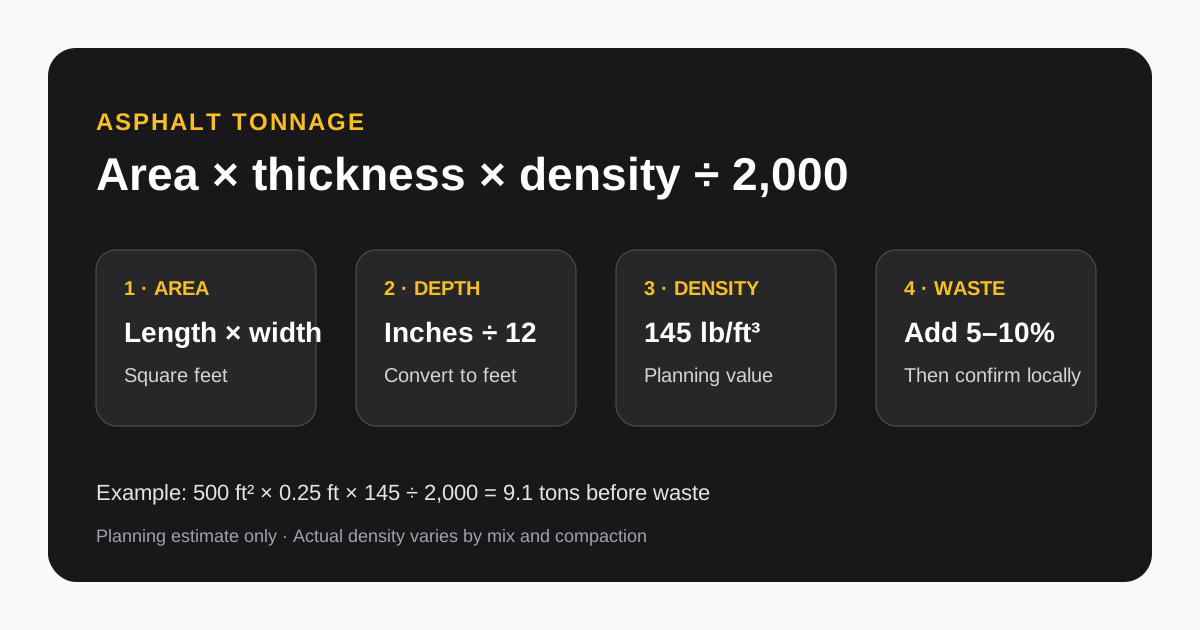
For imperial inputs, the core formula is square feet × thickness in feet × density in pounds per cubic foot ÷ 2,000. The result is short tons before waste. Metric inputs are converted consistently and shown in tonnes. Waste is applied after the base quantity so the percentage is shown separately and can be adjusted.
The 145 lb/ft³ value is deliberately labeled as a planning density. The Federal Highway Administration gives an example of a limestone-aggregate asphalt mixture with a compacted density of 147 lb/ft³ and notes that density can differ significantly with aggregate and compaction. That evidence supports using a nearby round value for early math, but it does not make 145 correct for every mix. A supplier mix design, scale ticket, or project specification should replace the default when available.
Coverage values such as square feet per ton are rearrangements of the same formula. They are not separate measurements. If thickness or density changes, coverage changes too. Read every coverage estimate alongside its thickness and density assumptions.
How regional price bands should be used
The regional material and installed bands are broad planning assumptions. They help distinguish material-only costs from installed work, but they are not a substitute for current local supplier prices or contractor bids.
Public sources are used as context, not as a direct price-per-ton conversion. The Bureau of Labor Statistics Producer Price Index tracks changes in producer selling prices, including paving mixtures and blocks, but an index is not a retail quote. The Energy Information Administration publishes regional on-highway diesel prices, which help explain why trucking pressure can change delivered cost, but diesel alone cannot determine a paving bid. Local material availability, crew rates, project size, and site conditions still dominate the final number.
If you have a fresh local price, enter it. Ask whether that number is plant pickup, delivered material, or fully installed work. Then keep the same area, compacted thickness, removal, base, drainage, edging, and cleanup scope when comparing quotes.
Primary references
- FHWA asphalt pavement density research
- U.S. Bureau of Labor Statistics Producer Price Index
- U.S. Energy Information Administration diesel prices
Sources were last checked August 5, 2026. They support the physical assumptions and market context used on the site; local quotes remain the best basis for a project budget.
Corrections and review policy
A useful correction includes the page URL, location, unit, date, whether the number is material-only, delivered, or installed, and the scope included. Private contact details and unverified promotional claims are not published as evidence.
Send documented corrections to hello@asphaltprice.com, or use the contact page.